

low iron glass cut to size
The Importance of Rubber Pad Anti-Vibration Solutions In an increasingly mechanized world, various industries rely heavily on machinery and equipment to enhance productivity. However, with great power and efficiency comes a common challenge vibration. The incessant shaking and rattling caused by operating machinery can lead to numerous issues, including equipment wear, reduced efficiency, and even health hazards such as excessive noise and discomfort for workers. This is where rubber pad anti-vibration solutions come into play, providing a vital line of defense against the negative impacts of vibrations. Understanding Vibration and Its Implications Before delving into the specifics of rubber pad anti-vibration solutions, it's essential to understand what vibration is and why it matters. Vibration refers to the oscillation of objects around their equilibrium position. In industrial settings, machines operate with moving parts that can generate significant vibrational forces. These forces can propagate through the structure of buildings or installations, resulting in structural fatigue, equipment malfunction, and potential safety hazards. The implications of unchecked vibration are profound. Over time, vibrations can cause machinery to operate inefficiently, leading to increased energy consumption. Equipment may require more frequent maintenance and parts replacement, driving operational costs higher. Moreover, excessive vibration can create a hazardous work environment, resulting in stress and fatigue for employees. Therefore, implementing anti-vibration measures is not only a matter of machinery care but also one of workplace safety and productivity. Rubber Pads A Versatile Solution Rubber pads are a popular choice for mitigating vibrations in various applications. These pads are made from durable rubber compounds that effectively absorb and dampen vibrations, translating the energy into heat rather than allowing it to propagate through structures. The properties of rubber—its elasticity and resilience—allow it to deform under compressive forces, making it ideal for vibration isolation. rubber pad anti vibration One of the key advantages of rubber pad anti-vibration solutions is their versatility. They can be used across many sectors, including automotive, manufacturing, aerospace, and construction. Whether it’s a piece of machinery in a manufacturing plant or a heavy generator on a construction site, rubber pads can accommodate different load capacities and environmental conditions. They are available in a variety of sizes and thicknesses, ensuring that businesses can find the perfect fit for their specific needs. Long-Term Benefits of Using Rubber Pad Anti-Vibration Solutions The long-term benefits of implementing rubber pad anti-vibration solutions are substantial. Firstly, by reducing vibration levels, businesses can extend the lifespan of their equipment. Fewer vibrations lead to less wear and tear on components, reducing the frequency and cost of maintenance. Additionally, by enhancing machinery performance, organizations can achieve operational efficiency, thereby lowering energy costs. Moreover, there are inherent safety benefits associated with the use of anti-vibration pads. By minimizing vibrations, companies can create a safer and more comfortable working environment for their employees. This contributes to better overall morale and productivity, fostering a culture of safety and care. Finally, adopting rubber pad anti-vibration solutions can have a positive environmental impact. By improving machinery efficiency and reducing energy consumption, businesses can also lower their carbon footprint, aligning with global sustainability goals. Conclusion In conclusion, rubber pad anti-vibration solutions are indispensable for modern industries seeking to mitigate the adverse effects of vibration. By prioritizing the integration of these pads into their operations, businesses can enhance equipment longevity, improve workplace safety, and foster a more efficient, productive environment. As the demand for reliability and efficiency in machinery continues to grow, so too will the importance of effective vibration management solutions. Embracing rubber pads is not just a smart operational choice; it’s a proactive strategy for sustaining a competitive edge in today's fast-paced industrial landscape.
about
low iron glass cut to size
Understanding Long Gauge Pins Precision Engineering in Measurement In the realm of precision engineering, accuracy is paramount, especially when it comes to measurements that ensure the integrity of manufacturing processes. One of the crucial tools that engineers and machinists rely on is the long gauge pin. This article will explore what long gauge pins are, their applications, advantages, and importance in various industries. What Are Long Gauge Pins? Long gauge pins, often referred to as gauge pins or setting plugs, are precision tools used to measure and align components in manufacturing and assembly processes. Typically made from high-quality steel or other durable materials, these pins feature a cylindrical shape with a precise diameter that is used for measuring hole sizes and ensuring the proper fit between components. The term long refers to the extended length of the pins, which allows them to be utilized in deeper holes and more complex assemblies. Standard lengths can vary, but they generally extend beyond the typical reach of shorter pins, providing additional versatility in measurement applications. Applications of Long Gauge Pins Long gauge pins are utilized across various industries, including automotive, aerospace, electronics, and manufacturing. Their primary applications include 1. Quality Control In production environments, long gauge pins are essential for measuring the internal dimensions of machined components. They help in assessing whether parts meet specified tolerances. 2. Tool Setup Machinists use these pins to set up tools and fixtures accurately. By inserting a long gauge pin into a hole, they can ensure that tools are correctly aligned and adjusted, thus reducing the risk of errors during machining operations. 3. Assembly Verification In assembly lines, long gauge pins are used to verify the fit and alignment of parts. This is particularly important in complex assemblies, where any misalignment can lead to functional issues. 4. Gage Blocks Long gauge pins can be employed alongside gage blocks, serving as calibration tools in the assessment of precision instruments. This ensures that measurement tools remain accurate over time. long gauge pins Advantages of Using Long Gauge Pins The use of long gauge pins in manufacturing and engineering offers several advantages - Precision and Accuracy Long gauge pins are manufactured to high tolerances, which means they provide reliable measurements. This precision is essential for ensuring that parts fit together correctly in assemblies. - Versatility Their extended length allows long gauge pins to be used in a variety of applications, making them suitable for different industries and processes. - Durability Made from robust materials, these pins can withstand the rigors of industrial environments, ensuring a long service life with minimal wear. - Ease of Use Long gauge pins are generally straightforward to utilize, making them an accessible tool for both seasoned professionals and those new to precision engineering. Importance in Different Industries In the automotive industry, long gauge pins play a critical role in ensuring that engine components and assembly parts fit together with the necessary precision. In aviation, where safety is paramount, these tools help maintain stringent quality control standards. In electronics manufacturing, accurate measurements are vital for ensuring that components function correctly, reducing the likelihood of defects. Furthermore, the ever-growing trend towards automation and precision manufacturing underlines the necessity for tools like long gauge pins. As machines become more advanced and integrated with technology, the need for accuracy in measurements becomes even more crucial. Conclusion Long gauge pins are an indispensable tool in the world of precision engineering and manufacturing. Their ability to provide accurate measurements, ensure proper alignment, and contribute to quality control makes them invaluable in various industries. As technology continues to evolve, the importance of such precise tools will only grow, underscoring the need for high-quality engineering practices. Whether in automotive assembly, aerospace manufacturing, or high-tech electronics, long gauge pins will remain a cornerstone of precision measurement and engineering excellence.
-

High quality industrial productsagement

High quality industrial products
View Details -

Meet the diverse needs of customers

Meet the diverse needs of customers
View Details -

Strict quality control

Strict quality control
View Details -

Top raw materials

Top raw materials
View Details -

Trusted supplier

Trusted supplier
View Details
Our application

news and information
Van cửa cổng hình vuông và ứng dụng của nó trong công nghiệp
Cửa van chặn hình vuông Giải pháp hiệu quả cho ngành công nghiệp Cửa van chặn hình vuông là một tron
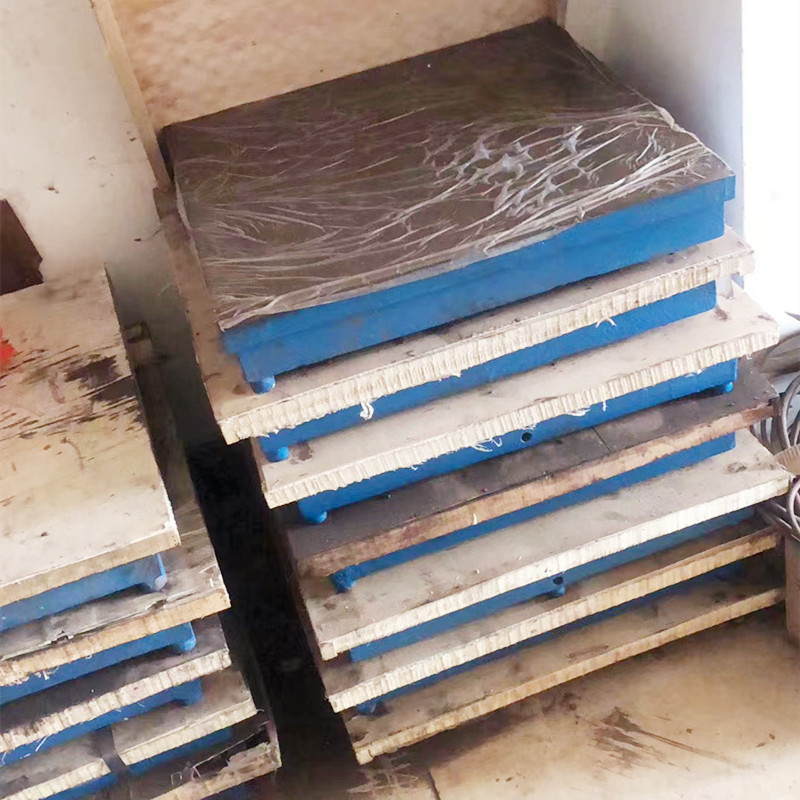
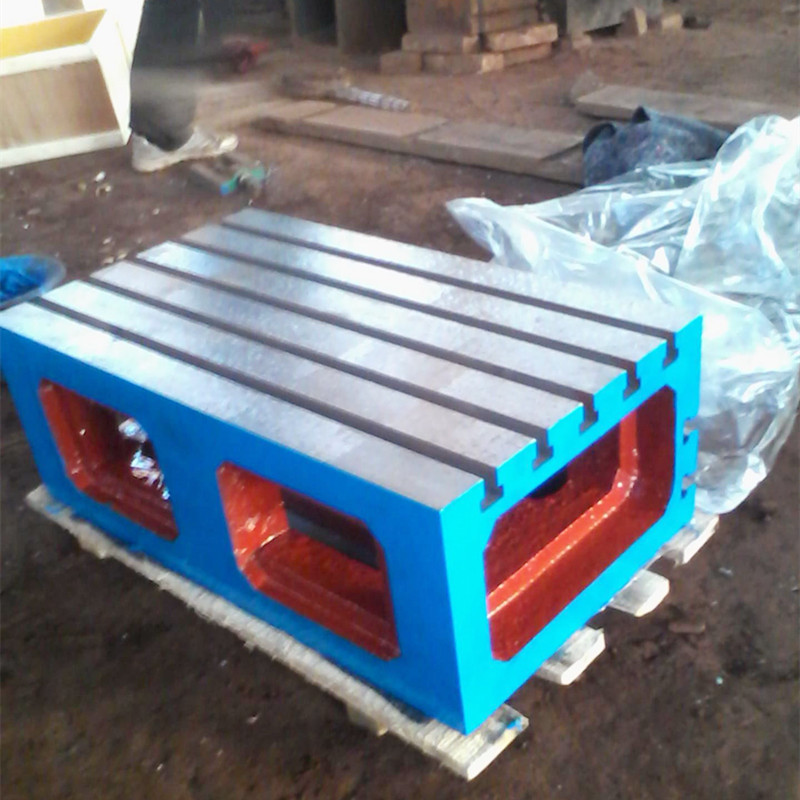
Versatile Welding Table for On-the-Go Fabrication and Efficient Workspace Solutions
The Versatility and Importance of Portable Welding Tables In the world of welding, precision and con
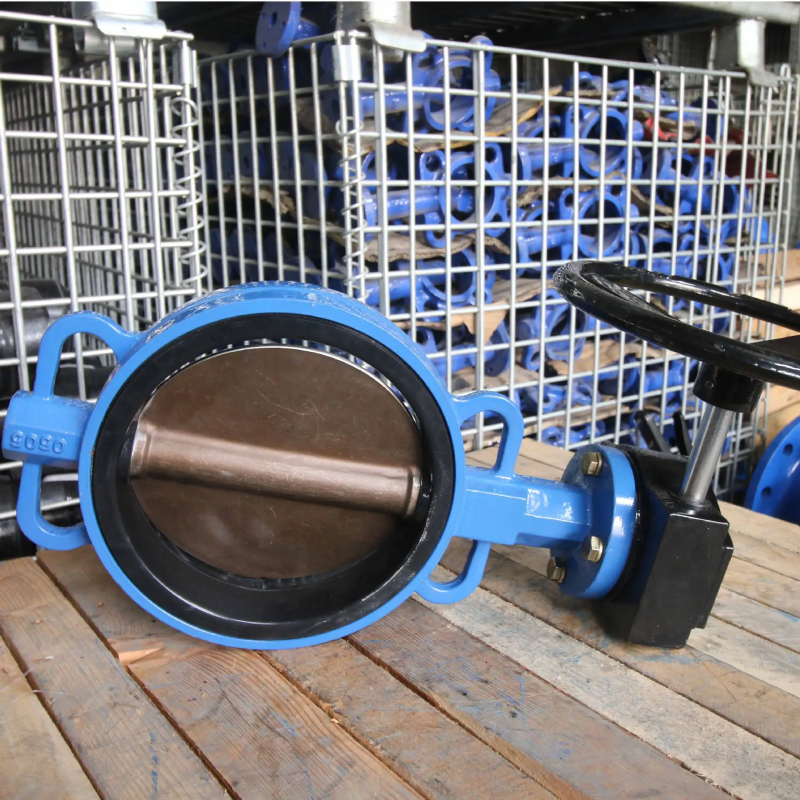
Válvula borboleta 250mm
Válvula Borboleta de 250mm Eficiência e Versatilidade em Sistemas de Fluídos As válvulas borboleta t
 English